How Preschool (Actually) Prepares Children for Kindergarten
Spend any time at any preschool and you are bound to hear the term “Kindergarten Readiness” discussed often. With good reason, of course, since preschool is a time and place focused on developing a certain set of skills that will help young children to transition to Kindergarten and then to find success in their ongoing school experience.
But which skills are we talking about, specifically?
When you first hear the term “kindergarten readiness,” it’s natural to think of academics such as letters, numbers, or maybe even worksheets. After all, it seems logical: if children are heading into an academic setting, shouldn’t the preparation look academic too? Research in early childhood education, however, consistently shows that a focus on early academic skills alone is not the strongest predictor of long-term success in school. And in fact children thrive most in school after a preschool experience that nurtures curiosity, critical thinking, self-regulation, and a strong sense of belonging within a learning community.¹
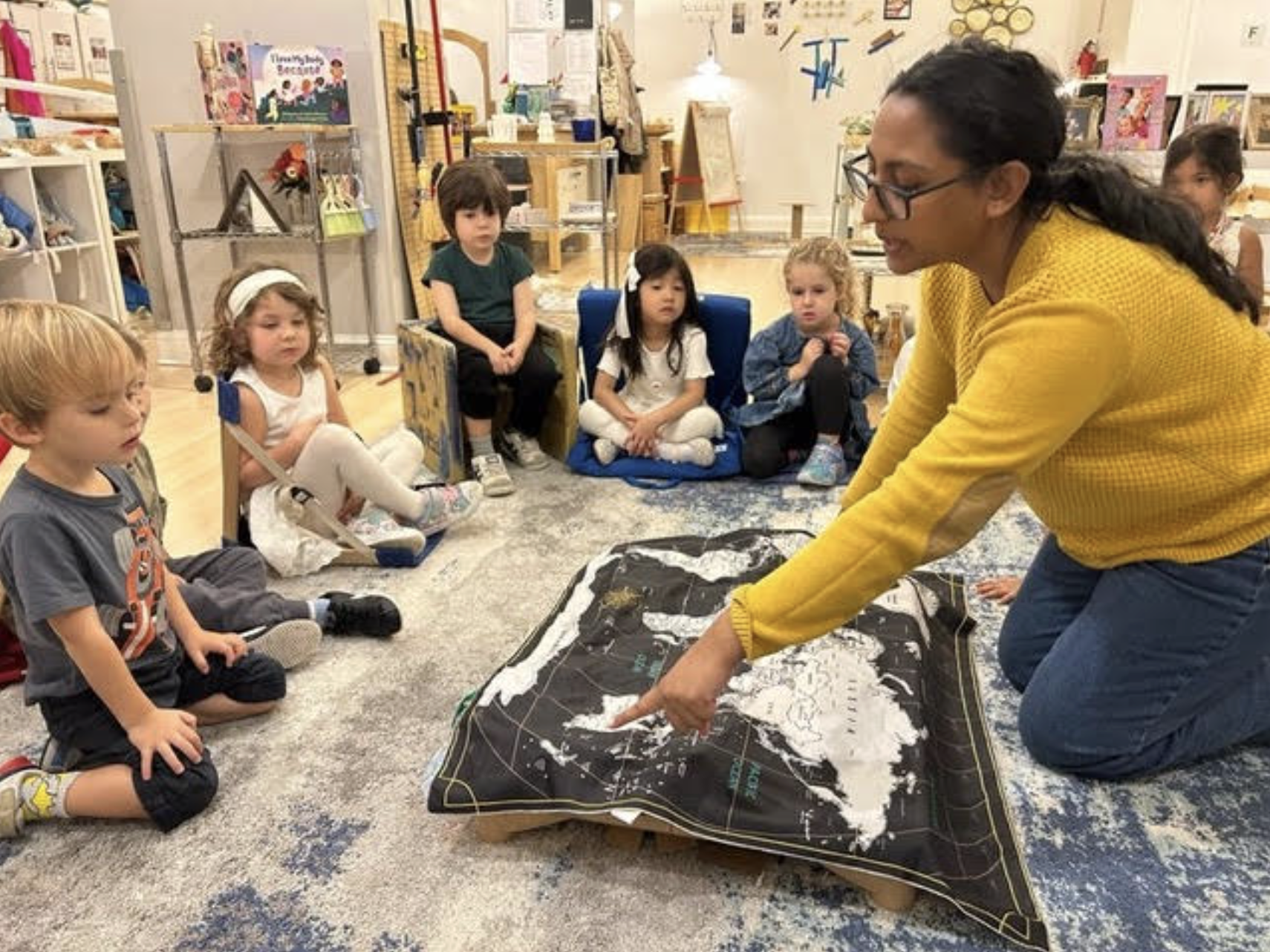
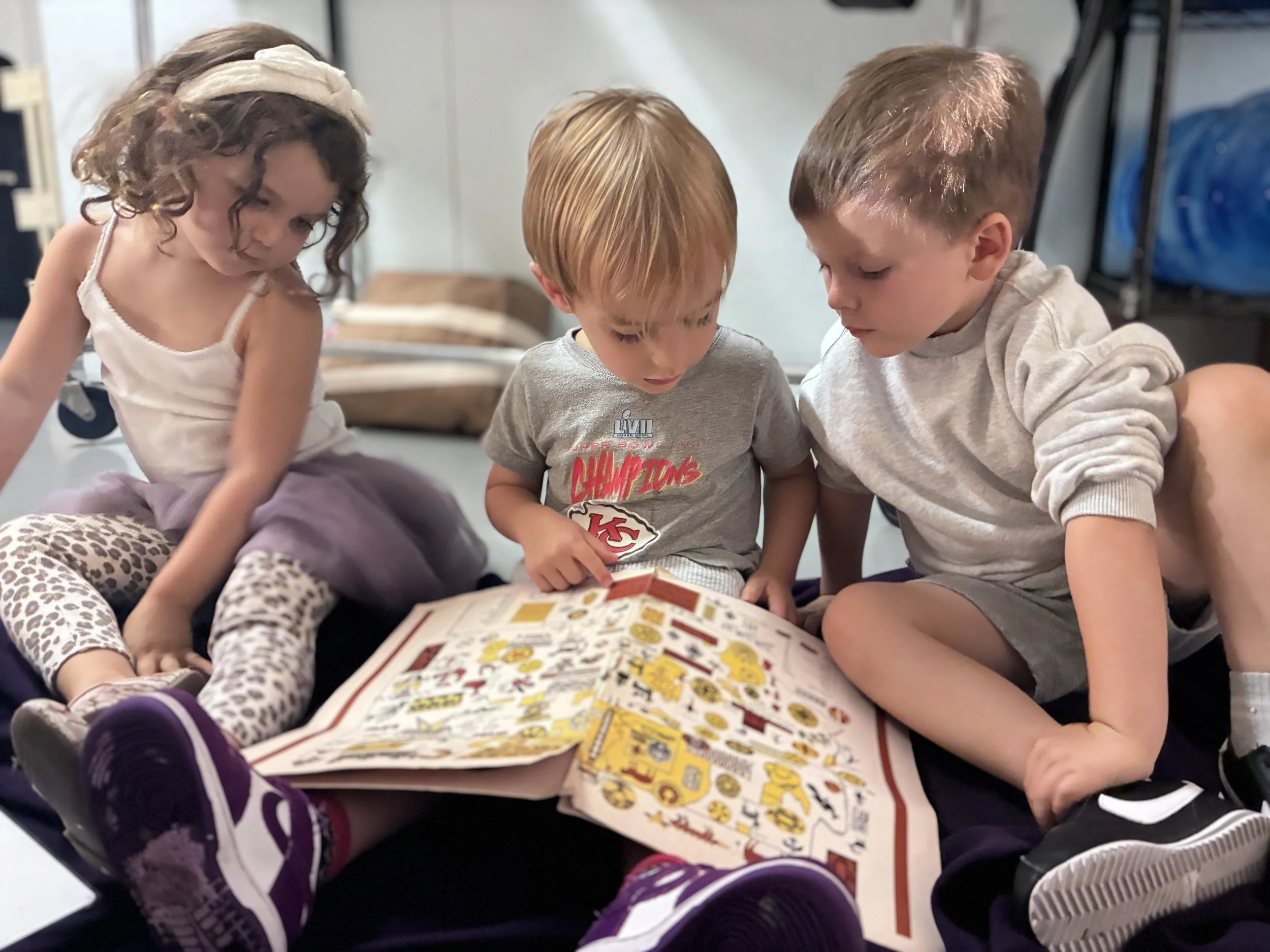
Studies from organizations such as the National Association for the Education of Young Children and the Harvard Center on the Developing Child emphasize the importance of executive functioning skills: attention, flexible thinking, problem-solving, and emotional regulation as foundational for school success.² These skills develop most effectively through play, exploration, and meaningful social interactions rather than through early, formal academic instruction.
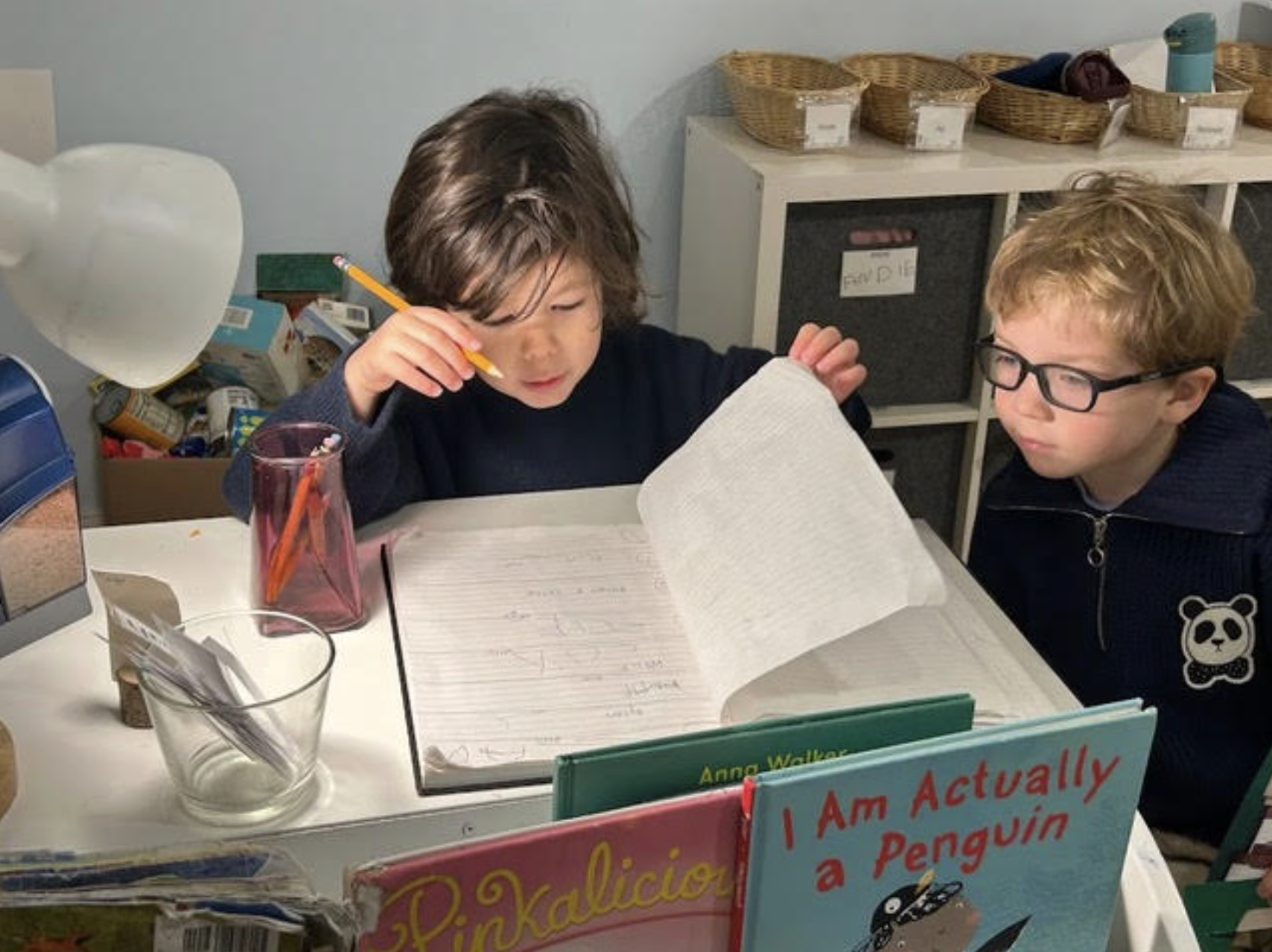
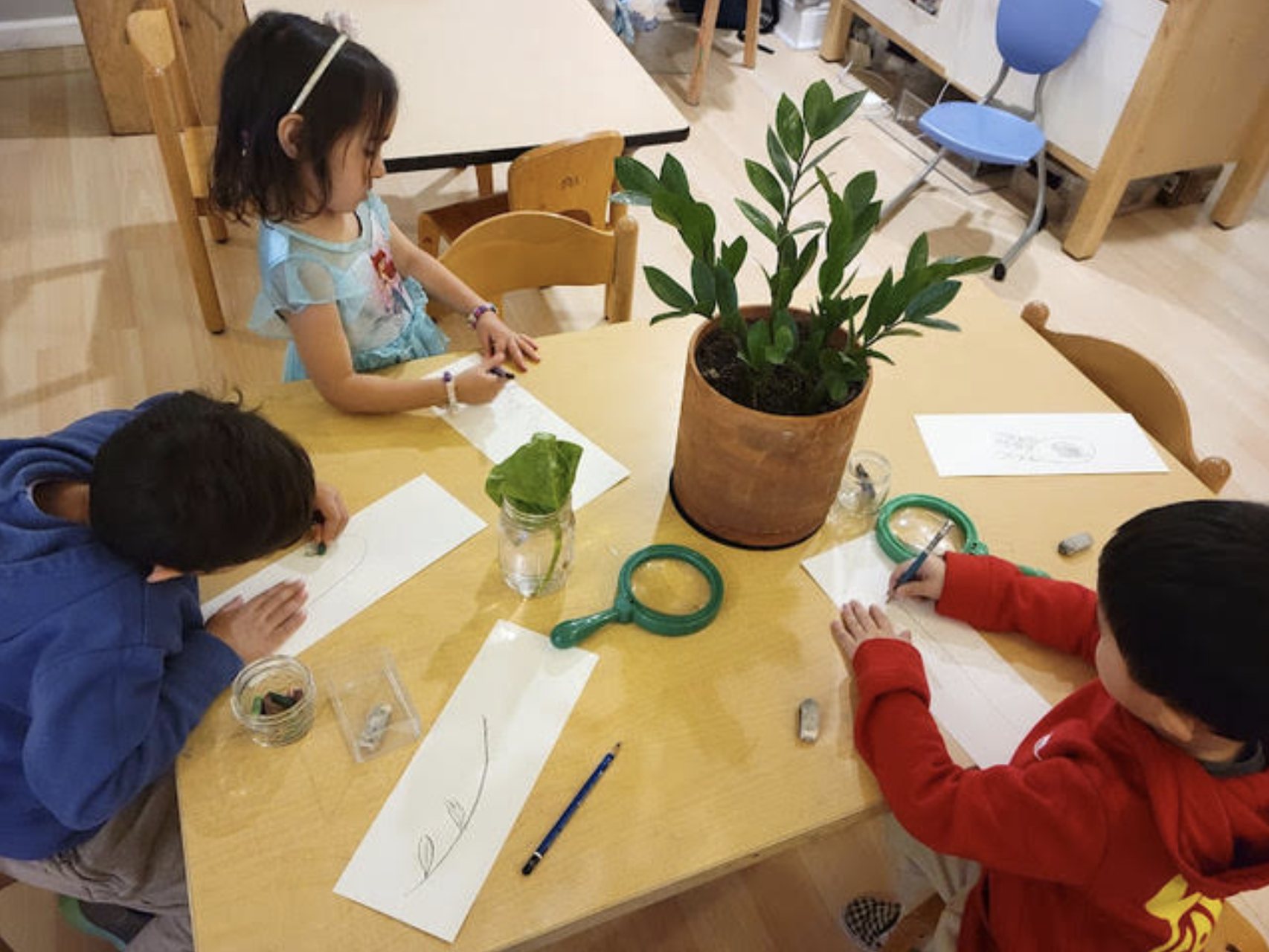
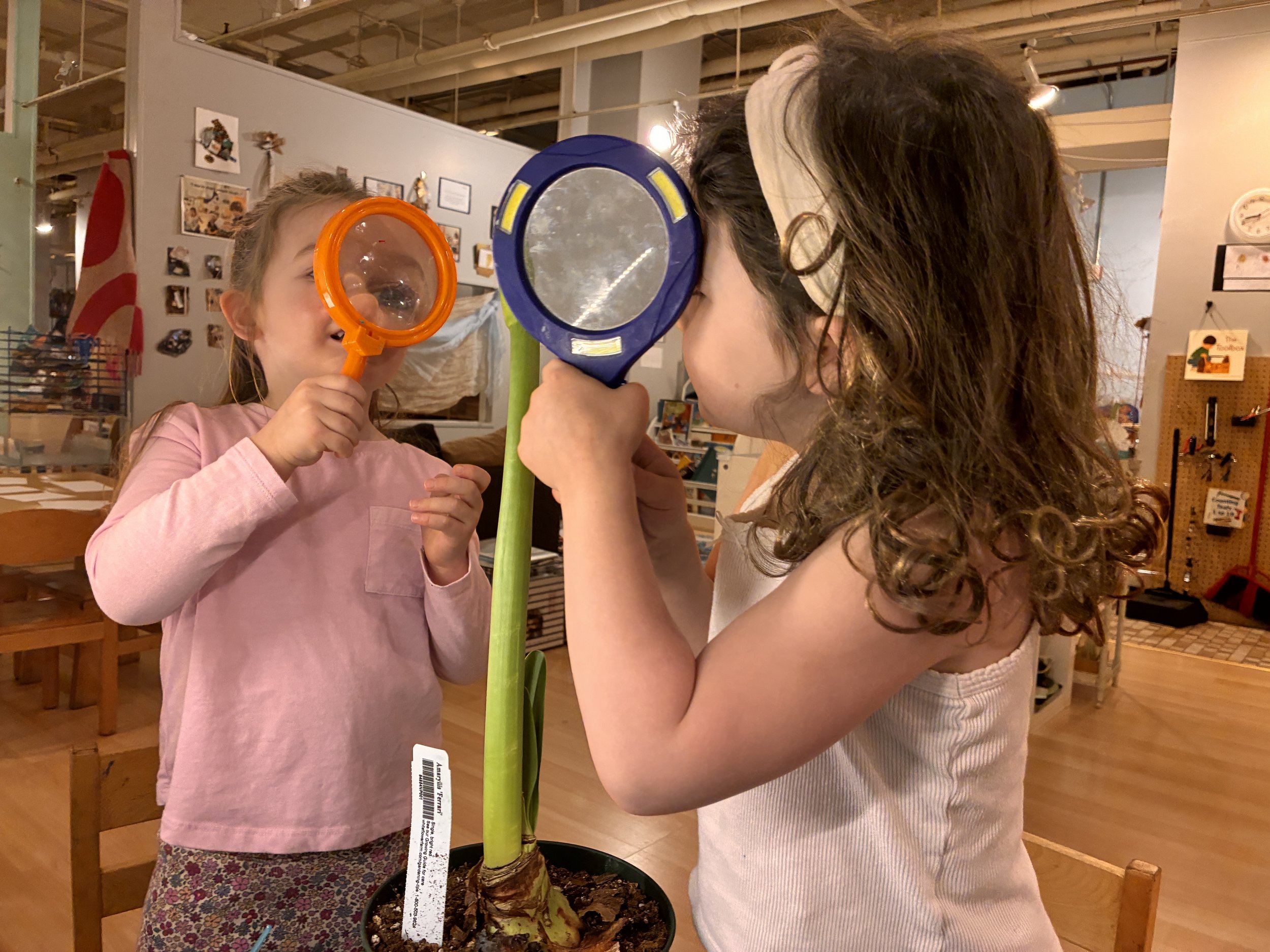
In a Reggio-inspired environment like we have at TCS, learning emerges from children’s questions and interests. Teachers act as observers, collaborators, and researchers, carefully listening to children’s ideas and designing environments that invite investigation. Through long-term projects, open-ended materials, and collaborative dialogue, children learn how to wonder, test theories, revise their thinking, and communicate their ideas. These are habits of mind that are essential in kindergarten classrooms and which help children to build academic knowledge throughout their school years.
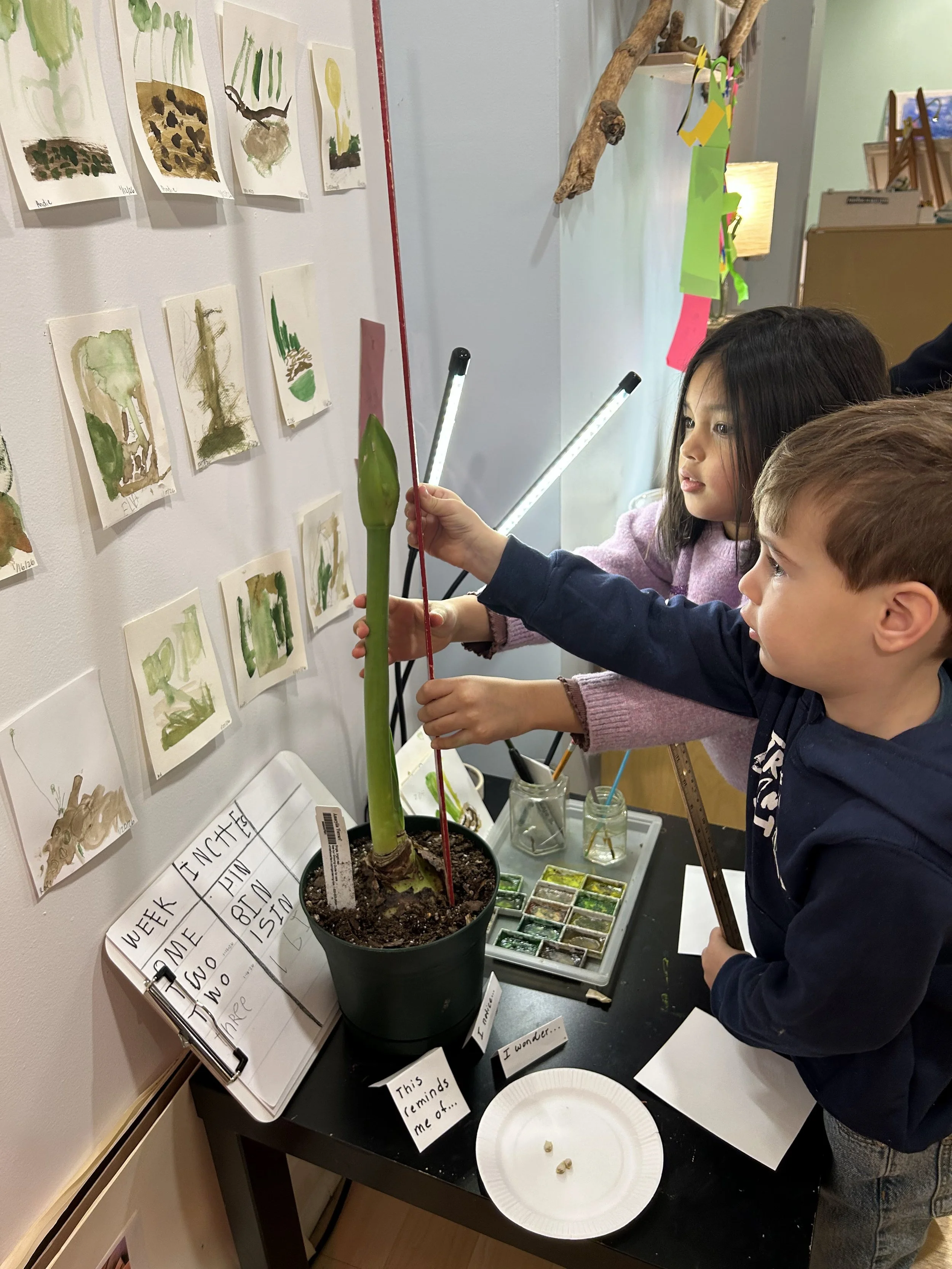
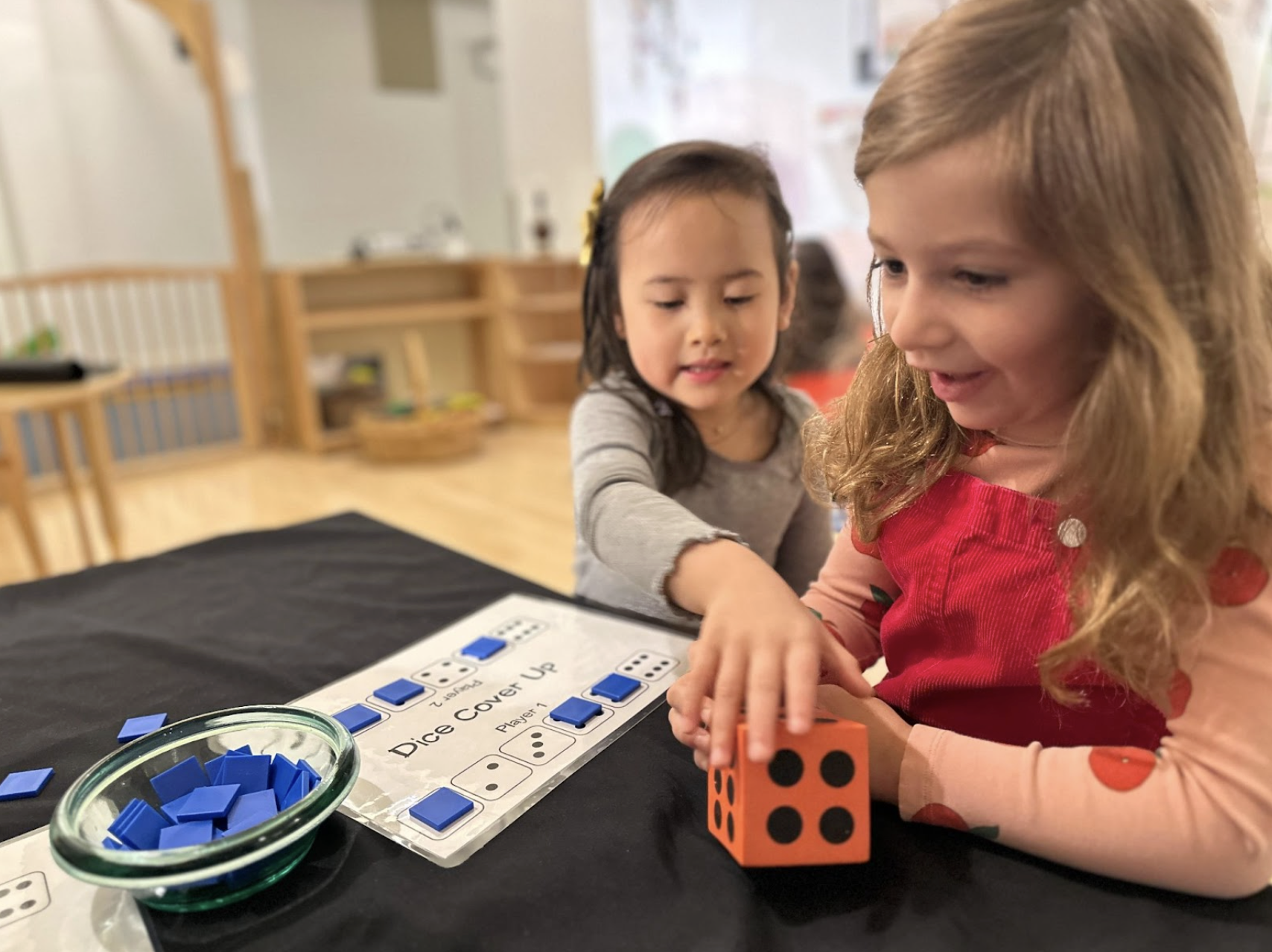
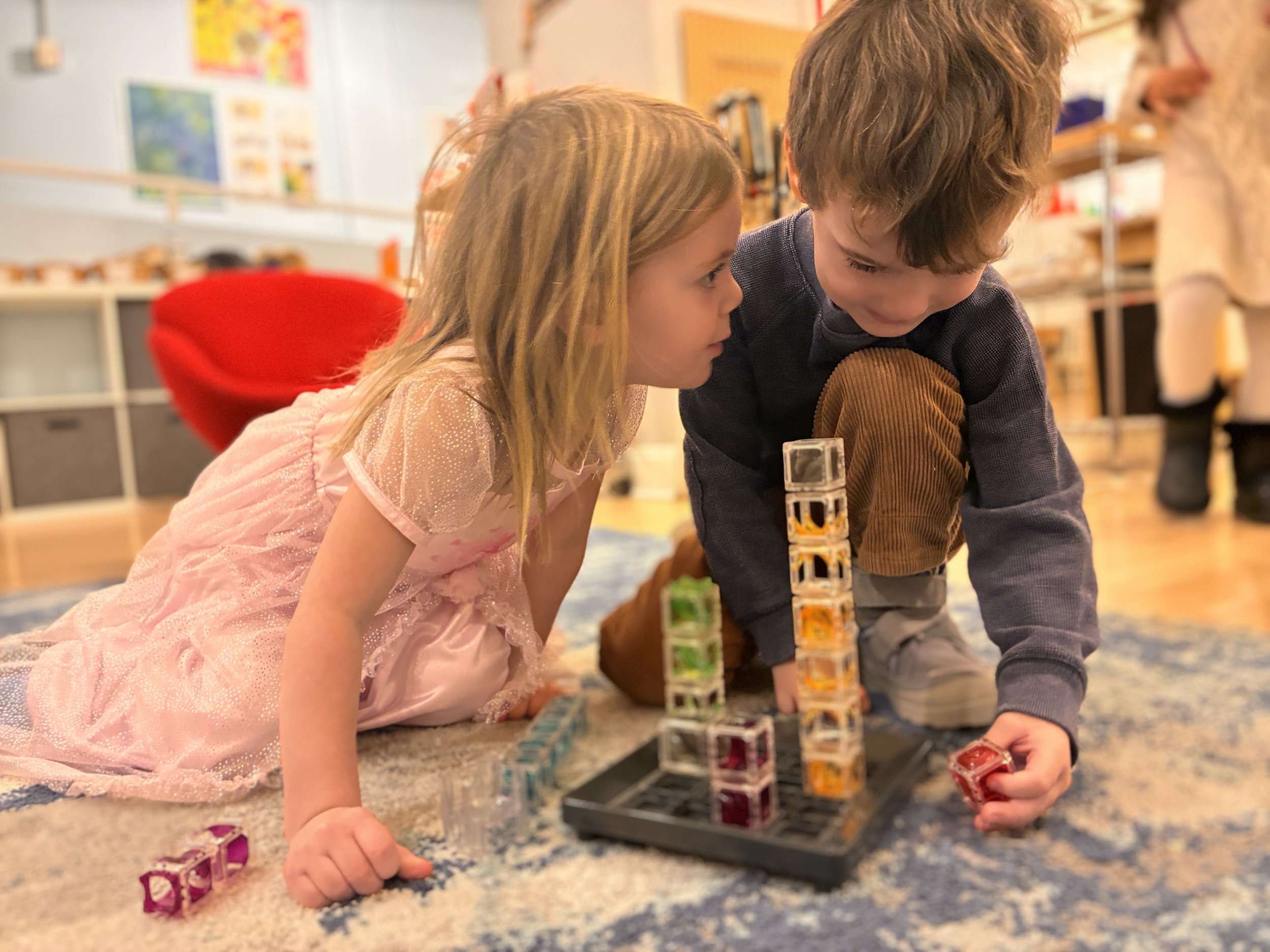
Foundational academic learning does have a place in schools like TCS. However, academic learning is thoughtfully woven into these experiences rather than taught in isolation. Literacy develops as children engage in storytelling, dictation, dramatic play, and rich conversation. Mathematical thinking emerges as children build, measure, sort, compare, and problem-solve using blocks, loose parts, and everyday classroom materials. Because these concepts are grounded in meaningful experiences, children develop a deeper and more flexible understanding that supports future academic learning.³
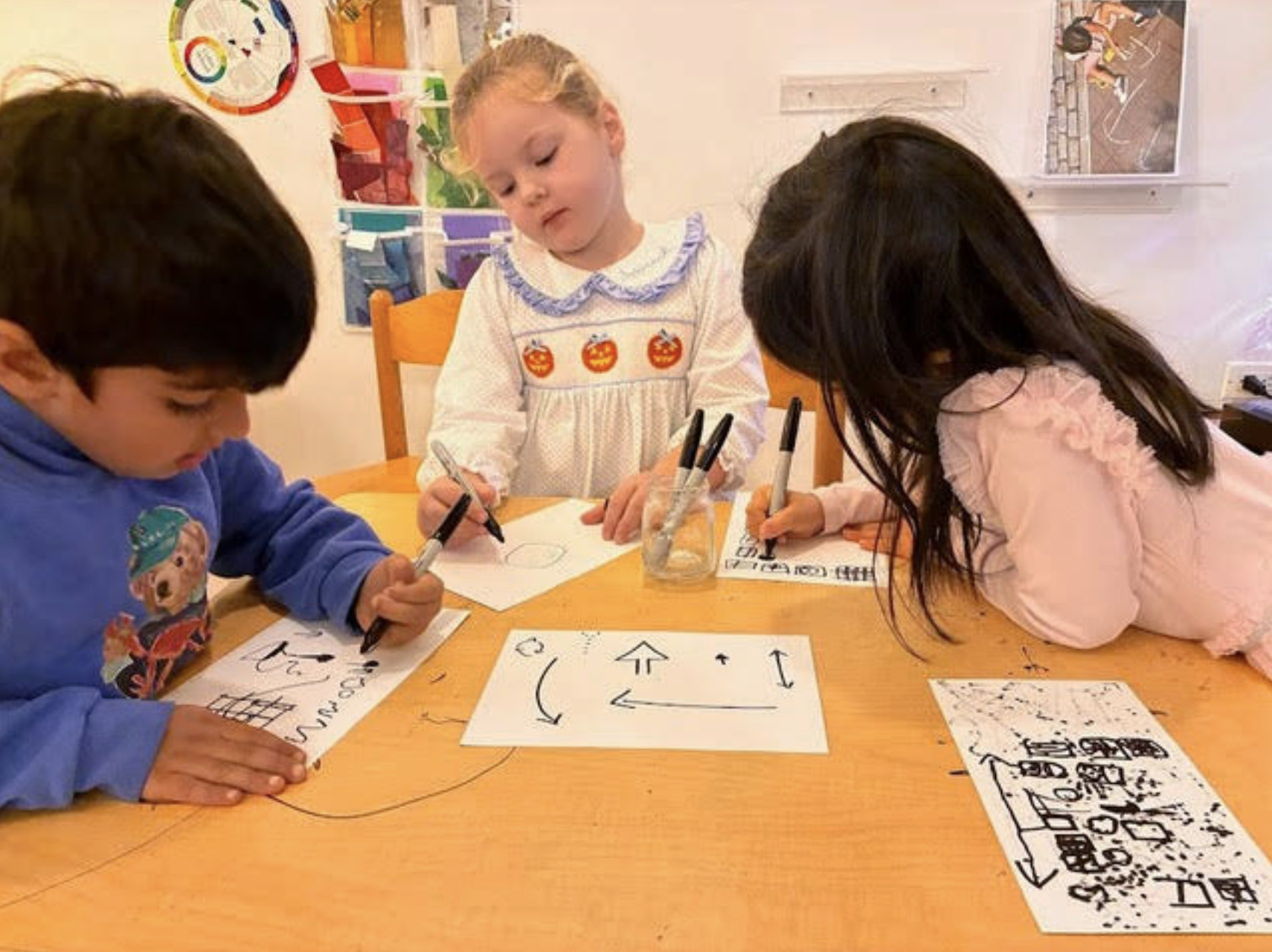
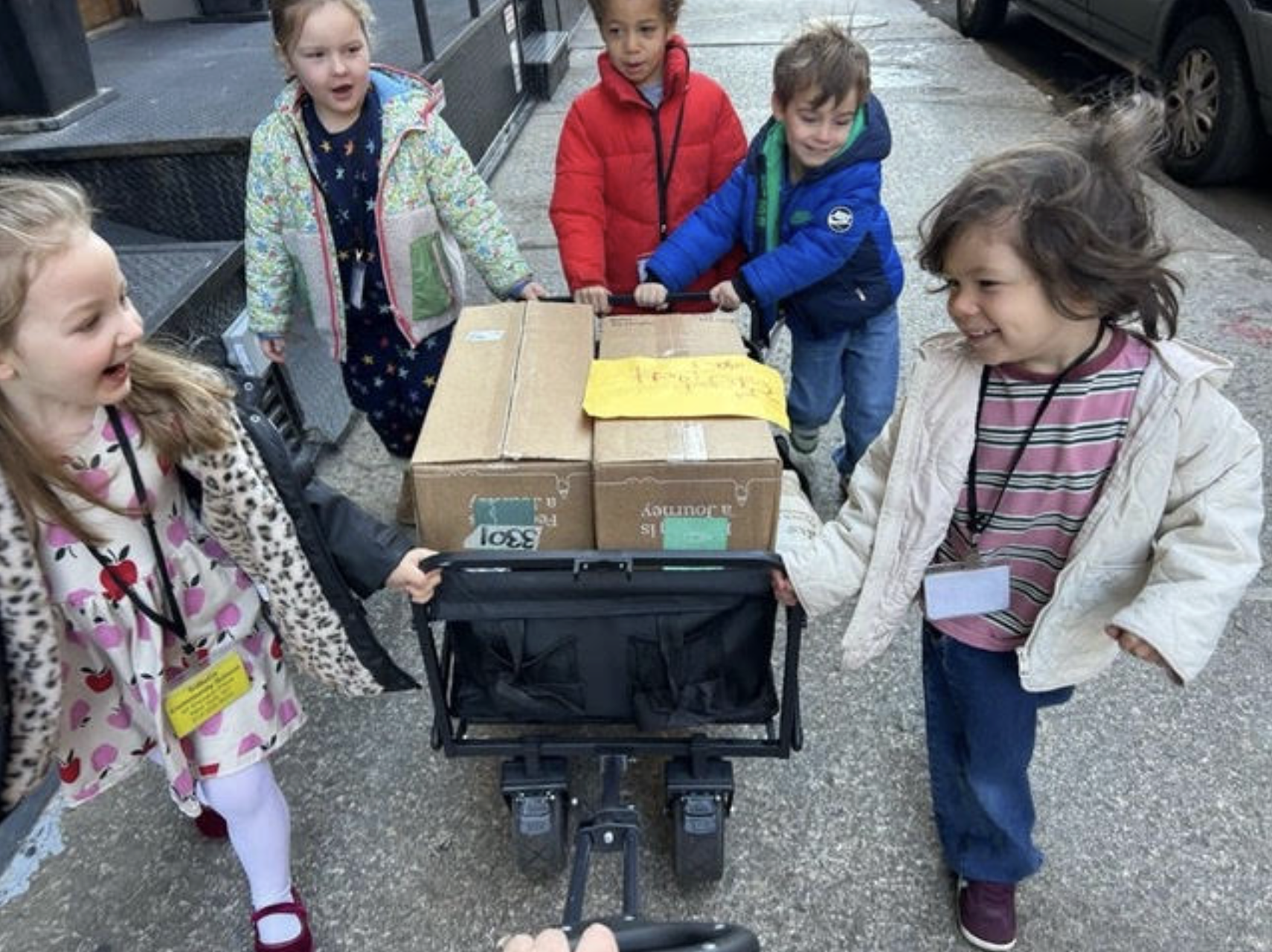
Equally important is children’s social and emotional growth. In a responsive classroom community, children practice taking turns, negotiating roles, expressing emotions, and caring for one another. These skills help children navigate group settings, manage challenges, and approach new situations with confidence. These are the key aspects of kindergarten readiness that are often overlooked when academics are emphasized too early.
High-quality preschool prepares children not just to do school, but to love learning. By honoring the hundred languages of children and embedding academics within inquiry, play, and relationships, programs like TCS support children in becoming thoughtful, resilient, and engaged learners who are ready for kindergarten and well beyond.
Sources:
National Association for the Education of Young Children (NAEYC). Developmentally Appropriate Practice in Early Childhood Programs.
Harvard Center on the Developing Child. Building Core Capabilities for Life: The Science of Executive Function.
Schweinhart, L. et al. (2005). Lifetime Effects: The HighScope Perry Preschool Study.